TRANSLATE

Thursday, 22 May 2025

 Joe Biden Diagnosed with Aggressive Prostate Cancer: What We Know” (5 minutes of reading) 

Former U.S. President Joe Biden, 82, has been diagnosed with an aggressive form of prostate cancer that has spread to his bones, according to a statement from his office 

Doctors discovered a prostate nodule after Biden experienced worsening urinary symptoms. Tests confirmed a Gleason score of 9, which indicates one of the most severe forms of the disease.

Despite the seriousness of the diagnosis, doctors say the cancer is hormone-sensitive, meaning it can still be managed with treatment. Biden and his family are currently reviewing treatment options with his medical team.

In a message shared online, Biden acknowledged the emotional weight of the diagnosis, writing, “Cancer touches us all,” and thanked the public for their support. He also reflected on past hardships, saying he and his wife Jill “have learned that we are strongest in the broken places.”

In a rare moment of unity, Donald Trump responded with sympathy. On his social media platform, he wrote:

“Melania and I are saddened to hear about Joe Biden’s recent medical diagnosis. We extend our warmest and best wishes to Jill and the family, and we wish Joe a fast and successful recovery

Prostate cancer is common among older men, but a Gleason score of 9 means it can grow and spread quickly

Biden’s health had already been a topic of concern during his presidency, especially after a shaky debate performance in 2024.

He is currently at home in Delaware as he prepares for the next steps in his treatment journey.

Here’s a simple visual explainer of the Gleason Score System used to grade prostate cancer:

🔍 What It Shows:

  • Scores range from 6 to 10.
  • Green (6): Low aggressiveness — slow-growing cancer.
  • Yellow (7–8): Intermediate aggressiveness — moderate risk.
  • Red (9–10): High aggressiveness — fast-growing and more dangerous.
  • Score 9, highlighted in dark red, is what Joe Biden was diagnosed with. It indicates a very aggressive form of prostate cancer.

This system helps doctors decide how serious the cancer is and what treatment might be best.
Thursday, 15 May 2025

 Flying High, Healing Slow: Study Links Air Travel to DNA Repair Issues in Flight Attendants (5 minutes reading) 

A new study has found that frequent air travel may harm the body’s ability to fix damaged DNA in flight attendants. This could explain why they face higher risks of cancer and reproductive problems. The research looked at blood samples from nine flight attendants before and after flights. It found signs of inflammation and weaker DNA repair after flying, especially in fixing damage caused by radiation and oxidative stress.

Flight attendants are exposed to cosmic radiation, poor cabin air, and stressful work conditions. These factors may damage their DNA and weaken their immune systems. Although the study was small, it showed that some DNA repair systems worked less effectively after flights. This could lead to long-term health problems like cancer.

The study suggests that flying might both increase DNA damage and reduce the body’s ability to fix it. More research is needed, but the findings highlight the need for better health protections for flight crews.

Source: LINK

Monday, 12 May 2025


Miracle Double-Lung Transplant Cures German Woman's Cancer (5 minutes reading) 

Cornelia Tischmacher, a 40-year-old art dealer from Berlin, was diagnosed with stage 3 lung cancer in 2018. Despite surgery and chemotherapy, her cancer returned, and by 2024, she relied on an oxygen tank to breathe. Facing a grim prognosis, Tischmacher discovered a groundbreaking clinical trial in Chicago.

The DREAM program at Northwestern Medicine developed a new double-lung transplant method for patients with advanced lung cancer. Instead of transplanting lungs one at a time, both cancerous lungs are removed simultaneously, the chest cavity is cleaned, and new lungs are implanted. This meticulous approach prevents cancer cells from spreading during the procedure.

In December, Tischmacher underwent the surgery and woke up able to breathe without assistance. Five months later, she shows no signs of cancer. Her case highlights a promising new option for patients with lung-limited malignancies. Since the program's launch, about 70 patients have received this surgery, with only five experiencing cancer recurrence.

Tischmacher's successful surgery offers hope to late-stage cancer patients worldwide, demonstrating the potential of innovative medical procedures to extend lives and improve quality of life.

Source: LINK

Thursday, 8 May 2025

New Cancer Breakthrough: A Single Immunotherapy Doubles Survival Time (5 minutes reading)

A new treatment using immunotherapy has helped patients with head and neck cancer live twice as long without the disease coming back, according to a major international study.

The drug, pembrolizumab, was tested in a large clinical trial across 24 countries. Patients who received it before and after surgery stayed cancer-free for an average of five years, compared to just 2.5 years with standard treatment alone.

This is a big deal because treatments for this type of cancer haven’t changed in over 20 years, and survival rates have been low. The drug works by helping the immune system recognize and attack cancer cells more effectively.

The treatment was especially helpful for patients with high levels of a certain immune marker (PD-L1), but it also worked well for others. Doctors believe giving the drug before surgery helps “train” the immune system to keep fighting the cancer afterward.

One patient, Laura Marston, called the treatment “the gift of life” after surviving stage 4 tongue cancer thanks to the trial.

Experts hope this breakthrough will soon be approved for wider use, potentially changing the future for thousands of patients.

Source: LINK


Wednesday, 7 May 2025

Can Exercise Fight Cancer? This NASA-Inspired Therapy Says Yes! (5 minutes reading)

What do astronauts and cancer patients have in common? More than you'd think. Dr. Jessica Scott, a former NASA scientist now at Memorial Sloan Kettering Cancer Center, is pioneering research showing that exercise can counteract the physical toll of cancer treatments — just like it helps astronauts recover from zero gravity.

Her team found that regular, personalized exercise not only improves physical and mental health during cancer treatment but may also slow tumor growth. In a groundbreaking clinical trial, men with early-stage prostate cancer exercised at home using treadmills and wearable tech. The results? Just under four hours of weekly exercise reduced key cancer-related biomarkers — without any other treatment.

This research is the first to treat exercise like a drug: prescribed in specific doses, monitored, and tested for biological effects. While more studies are needed to prove long-term survival benefits, the early signs are promising.

The ultimate goal? To make exercise a standard, personalized part of cancer care — just like chemotherapy or radiation.

source: LINK

Tuesday, 6 May 2025

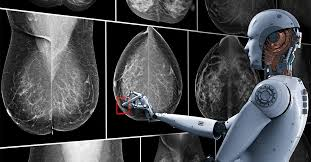
 AI Spots Breast Cancer Missed by Doctors—Before It’s Too Late (5 minutes reading) 

A new study from UCLA shows that artificial intelligence (AI) could help doctors find breast cancers that are often missed during routine mammograms. These are called interval breast cancers, which grow between regular screenings and are usually harder to treat because they’re found later.

Researchers looked at nearly 185,000 past mammograms and found 148 cases where cancer was missed. They used an AI tool called Transpara to re-analyze the original scans. The AI flagged 76% of the missed cancers and was especially good at spotting ones that were visible but overlooked by radiologists.

Even when the cancer was very subtle or nearly invisible, the AI still caught many of them. For example, it flagged 90% of cases where the cancer was visible but misread, and 69% of cancers that were completely hidden on the scan.

While AI isn’t perfect and sometimes marks the wrong areas, it could act as a helpful second opinion for doctors. The study suggests that using AI in screenings could reduce missed cancers by up to 30%, leading to earlier treatment and better outcomes for patients.

This research is one of the first of its kind in the U.S. and could change how breast cancer is detected in the future. 

source: LINK  


Monday, 5 May 2025

Big Drop in Breast Cancer Deaths Among Young Women (5 minutes reading) 

A new study shows that breast cancer deaths in women aged 20 to 49 dropped sharply between 2010 and 2020. The biggest improvements came after 2016, thanks to better treatments, more targeted medicine, and improved access to care.

Researchers looked at over 11,000 deaths and found that all types of breast cancer and all racial and ethnic groups saw declines. The most common type, called luminal A, had the biggest drop. However, younger women (ages 20–39) with this type had lower survival rates than expected, which may mean their cancers behave differently.

Despite the progress, Black women still had the highest death rates and the lowest survival, showing that health gaps remain. Experts say more research and better access to screening and treatment are needed, especially for high-risk and underserved groups.

This study highlights how far we've come in fighting breast cancer in young women—but also how much more we can do to save lives.


Source: LINK 

Wednesday, 30 April 2025


No Surgeries Needed: Immunotherapy Offers Hope for Early-Stage Cancer Patients (5 minutes reading)


A recent study published in the New England Journal of Medicine has revealed a promising new treatment for early-stage cancers. The immunotherapy drug dostarlimab, owned by GlaxoSmithKline, has shown remarkable results in eliminating tumors in patients with mismatch repair-deficient (dMMR) cancers.

Dostarlimab is a PD-1 blocking agent that helps the immune system recognize and attack cancer cells. This drug was used in a phase 2 study involving patients with stage I, II, or III dMMR solid tumors, including rectal and nonrectal cancers. The study included 117 patients who were treated with dostarlimab for six months. The results were impressive: 84 patients had a complete response to the treatment, meaning their tumors were eliminated, and 82 patients avoided surgery altogether. Recurrence-free survival at two years was 92%.

This breakthrough means that many patients can avoid invasive surgeries and preserve their organs, significantly improving their quality of life. The study's success offers hope for extending this treatment to other early-stage cancers. This innovative approach could revolutionize cancer treatment, providing a less invasive and more effective option for patients.

New England Medical Journal 


Tuesday, 29 April 2025


The Impact of Stress on Cancer: What You Need to Know

Chronic stress can make cancer worse and help it spread. Studies in animals and human cells show that stress hormones, which are natural in humans, play a big role in this process. Norepinephrine, a hormone released when we're stressed, helps tumors grow by forming new blood vessels and spreading cancer cells. It also activates certain immune cells that can protect tumors and wake up dormant cancer cells.

Another stress hormone, glucocorticoids, can stop cancer cells from dying naturally (a process called apoptosis) and make them resistant to chemotherapy. These hormones can also prevent the immune system from attacking cancer cells.

Although some studies suggest that stress might lower survival rates in cancer patients, the evidence isn't strong. Managing stress is important for cancer patients because it can improve their quality of life and possibly help with treatment. Techniques like mindfulness, counseling, and exercise can help reduce stress.


Monday, 28 April 2025


Hugh Jackman's Battle with Skin Cancer (5 minutes reading) 

Hugh Jackman, the famous actor known for his role as Wolverine in the X-Men series, has faced multiple battles with skin cancer. His journey began in 2013 when he was first diagnosed with basal cell carcinoma, a common form of skin cancer. Jackman has undergone several surgeries to remove cancerous cells from his nose.

Despite the seriousness of his condition, Jackman has remained positive and proactive about his health. He frequently shares updates with his fans, encouraging them to use sunscreen and get regular skin checks. His openness about his diagnosis and treatment has raised awareness about skin cancer and the importance of early detection.

Jackman's resilience and determination have allowed him to continue his successful career in Hollywood while managing his health. His story is a powerful reminder that with proper care and vigilance, it's possible to overcome cancer and lead a fulfilling life.


By incorporating these habits into your daily routine, you can significantly lower your risk of developing skin cancer.

  1. Avoid Sun Exposure During Peak Hours: The sun's rays are strongest between 10 a.m. and 4 p.m. Try to stay indoors or in the shade during these hours 

  2. Wear Protective Clothing: Long-sleeved shirts, pants, and wide-brimmed hats can help protect your skin from harmful UV rays. Look for clothing with a high ultraviolet protection factor (UPF) 

  3. Use Sunscreen: Apply a broad-spectrum sunscreen with an SPF of at least 30. Reapply every two hours, or more often if you're swimming or sweating

  4. Avoid Tanning Beds: Tanning beds expose you to high levels of UV radiation, which can increase your risk of skin cancer 

  5. Wear Sunglasses: Protect your eyes by wearing sunglasses that block both UVA and UVB rays 

  6. Regular Skin Checks: Perform regular self-examinations and visit a dermatologist for professional skin checks. Early detection is key to successful treatment 


New Immunotherapy Shows Promise in Shrinking Metastatic Tumors (5 minutes reading)

A recent clinical trial led by the National Institutes of Health (NIH) has shown promising results for a new form of cancer treatment called tumor infiltrating lymphocyte (TIL) therapy. This personalized immunotherapy, combined with the drug pembrolizumab (Keytruda), significantly shrank tumors in patients with various metastatic gastrointestinal cancers.

TIL therapy works by selecting immune cells from the patient's tumor that specifically target cancer cells. These cells are then grown in large quantities in a lab and administered back to the patient. In the trial, nearly 24% of patients treated with selected TILs and pembrolizumab saw a substantial reduction in tumor size, compared to only 7.7% of patients treated with TILs alone.

The trial included 91 patients with advanced cancers such as esophageal, stomach, pancreatic, colon, and rectal cancers. The best results were seen in patients who received both TIL therapy and pembrolizumab, with some experiencing tumor shrinkage lasting from several months to over five years.

This breakthrough offers hope for using cell-based immunotherapy to treat common solid tumors, which has been challenging for researchers. The study's lead investigator, Dr. Steven A. Rosenberg, believes this approach could pave the way for more effective cancer treatments in the future.

Researchers are now working on methods to improve TIL therapy by identifying immune cells that target multiple proteins within tumors, aiming to increase the number of patients who respond positively to this treatment.

More information in the LINK

Friday, 25 April 2025


Prevention and Screening Save Lives in Five Major Cancer Types

From 1975 to 2020, efforts in prevention and screening helped avoid 4.75 million deaths from breast, cervical, colorectal, lung, and prostate cancers. This study by the National Cancer Institute (NCI) shows that these efforts have saved more lives than treatment advances.

Key findings include that smoking cessation prevented 3.45 million deaths from lung cancer. In breast cancer, treatment advances saved most lives, with mammography screening also contributing. Screening and removal of precancerous lesions prevented 160,000 deaths from cervical cancer. Screening and removal of polyps averted 79% of 940,000 deaths from colorectal cancer. PSA testing and treatment advances saved 360,000 lives from prostate cancer.

The study emphasizes the importance of combining prevention, screening, and treatment to reduce cancer death rates. The Biden Cancer Moonshot aims to cut the cancer death rate by 50% by 2047, highlighting the crucial role of prevention and screening efforts.

source: LINK


Thursday, 24 April 2025


Innovative Cancer Treatment: Engineered Fat Cells to "Starve" Tumors

Scientists have developed a groundbreaking treatment that uses genetically modified fat cells to slow tumor growth by depriving them of essential nutrients. In a recent study, researchers engineered white fat cells to aggressively consume nutrients like glucose and fatty acids. When these modified cells were implanted near tumors in mice, the tumors grew more slowly.

This new approach, called adipose manipulation transplantation (AMT), showed promising results even when the engineered fat cells were implanted far from the tumors. The researchers believe these cells outcompete cancer cells for nutrients, effectively suppressing tumor growth.

Unlike existing cellular therapies that use immune cells, AMT uses a patient's own fat cells, which are less likely to trigger an immune response. This makes AMT a potentially safer and more effective option for cancer treatment.

The study leader, Dr. Nadav Ahituv, suggests that this innovative therapy could be a new form of cancer treatment. Further research is needed to understand the long-term effects and potential resistance of cancer cells to this treatment. However, the findings offer hope for a nontoxic, nutrient-based approach to cancer therapy that could revolutionize treatment options in the future.

For more information click the following  LINK


Sunday, 20 April 2025


Man's Heartburn Turns Out to Be Stage Three Cancer: How a Panini Saved His Life

Sam Brandon, a 40-year-old father of two, thought his persistent heartburn was just a normal part of life. But one day, while rushing through a London tube station and trying to eat a panini, he started choking and threw up on the train. This incident led him to finally see a doctor.

Sam had been dealing with heartburn for years, often talking to colleagues about the best heartburn medicines. He blamed his busy lifestyle for the symptoms and never found time to visit a doctor. When he finally did, he was given medication that helped for a while, but he still felt like something was stuck in his throat.

During a holiday, he had another choking episode and felt a cold sensation in his stomach. Back in the UK, he insisted on seeing a specialist. An endoscopy revealed a large tumor in his throat, and he was diagnosed with stage three esophageal cancer. The cancer had spread to his lymph nodes, and he needed chemotherapy and surgery to remove most of his esophagus.

Despite the grim diagnosis, Sam remained positive. He celebrated his wife’s 40th birthday at Glastonbury festival and later married her. After a successful surgery, Sam is now in remission and training for an ultramarathon to raise awareness about heartburn and cancer. He hopes his story will encourage others to take persistent heartburn seriously and seek medical advice.

Source: https://www.ladbible.com/news/health/father-heartburn-pain-stage-three-cancer-265144-20250420


Saturday, 19 April 2025

Warning: CT Scans Linked to Increased Cancer Risk

Overusing CT scans in the US could lead to over 100,000 extra cancer cases, including nearly 10,000 in children, according to a study in JAMA Internal Medicine. CT scans use ionizing radiation, which can increase cancer risk. While the risk to individuals is low and often outweighed by the benefits, the high number of scans is concerning.

Researchers from the Institute of Cancer Research, Kaiser Permanente, and the University of California found that the 93 million CT scans done in 2023 could cause 5% of all US cancers. The number of CT scans in the US has risen by 30% since 2009.

The study used a risk model to estimate future cancer cases linked to these scans. It found that 2.5 million children’s scans could result in 9,700 cancers. Adults, who get more scans, are expected to have more cancer cases.

CT scans are vital for diagnosing and treating many conditions, but unnecessary scans should be avoided. In the UK, strict regulations ensure scans are only done when needed, resulting in fewer scans per person compared to the US.


Luis Mendoza, MD, PhD


Saturday, 15 August 2020

Thursday, 25 April 2019


Anti-tumor activity of curcumin on stomach cancer


Image result for golden latteYou may have seen it popping up on cafe menus recently — the "golden latte". It's hot milk mixed with turmeric, coconut oil, maybe a bit of honey. Curcumin has been proclaimed a superfood; a health booster — the yellow powder used as a central component in Asian cooking for thousands of years. turmeric was known as a healing food in the ancient Indian system of medicine Ayurveda — where it was used for many medical uses. Recently a new research indicates the curcumin also help prevent or combat stomach cancer.

A recent study by researchers at the Federal University of São Paulo (UNIFESP) and the Federal University of Pará (UFPA) in Brazil identified possible therapeutic effects of this pigment and of other bioactive compounds found in food on stomach cancer, the third and fifth most frequent type of cancer among Brazilian men and women, respectively. They undertook a vast review of the scientific literature on all nutrients and bioactive compounds with the potential to prevent or treat stomach cancer and found that curcumin is one of them. Curcumin is a natural regulator of histone activity.

Histones are proteins in cell nuclei that organize the DNA double helix into structural units called nucleosomes. Each nucleosome is made of DNA coiled like a spool around eight histone proteins (a histone octamer) to compact the DNA so that it fits in the cell, where it is packaged into chromatin. The activity of the histones is regulated by some enzymes like histone acetyltransferases (HATs) and histone deacetylases (HDACs). These alterations are epigenetic and affect the structure and integrity of the genome in many tumors, including stomach cancer.

The researchers have found that curcumin influences histone modifications primarily by inhibiting HATs and HDACs to suppress cancer cell proliferation and induce apoptosis (programmed cell death) on the tumoral cells.

Journal Reference:

Danielle Q Calcagno, Fernanda Wisnieski, Elizangela R da Silva Mota, Stefanie B Maia de Sousa, Jéssica M Costa da Silva, Mariana F Leal, Carolina O Gigek, Leonardo C Santos, Lucas T Rasmussen, Paulo P Assumpção, Rommel R Burbano, Marília AC Smith. Role of histone acetylation in gastric cancer: implications of dietetic compounds and clinical perspectives. Epigenomics, 2019; 11 (3): 349 DOI: 10.2217/epi-2018-0081

Wednesday, 24 April 2019


Why does exercise protect against cancer? Inflammation may play a role


One of the most important benefits of exercise is in how it reduces our risk of developing a number of types of cancer — especially colorectal cancer, which according to some estimates is the malignancy most influenced by physical activity. But how workouts guard against colon cancer remains largely unknown. The new done at the University of Queensland in Brisbane, Australia, and other institutions recruiting 20 men who had survived colon cancer. (Women were excluded because menstruation might have affected results.).

The scientists asked 10 of the men to start working out strenuously three times a week: pedaling a stationary bicycle hard for four minutes, resting for three, and repeating that sequence three more times. They trained for a month and then, a few days after completing the program, rested quietly while researchers drew blood. The other 10 men completed the same 4 x 4 interval session, but only once. The researchers drew their blood before, immediately following and an additional two hours after that lone workout.

The scientists then carefully added a tiny amount of fluid from the men’s blood to petri dishes containing human colon-cancer tumor cells often used to study cancer growth. At several points during the subsequent 72 hours, the researchers counted the numbers of cells in each dish. They soon saw substantial differences.

Image result for physical exercise
In the dishes containing fluid taken from the men immediately after a single workout, the scientists counted far fewer cancer cells than in those awash in fluid drawn two hours after exercise. There was no similar decline in the dishes from the men who had trained for a month. In effect, something about the blood drawn immediately after the workout was slowing the growth of cancer cells.

The researchers think they may have identified that something in subsequent analyses of the men’s blood. They found a large increase in molecules involved in inflammation immediately after exercise. Inflammation can slow cell growth and reproduction. So a transitory increase in inflammatory markers after exercise might be helping to jam the proliferation of tumor cells.
 

Tuesday, 23 April 2019

Cancer rates in young children are increasing worldwide                                                                                                    

Rates of pediatric cancer have been rising since the 1980s; however, this increase varies by age group and cancer type. University of Minnesota researchers studied children under 5 years of age to understand cancer trends that occur in this age group around the world. Their findings were recently published in the journal JNCI Cancer Spectrum.

Researchers analyzed data from individual countries in 15 subregional categories to compare trends in cancer rates for 11 different types of pediatric cancer from 1988 to 2012.
The study found:
  • in children under 5 years, cancer rates increased for both common types of childhood leukemia, one brain tumor subtype, neuroblastoma and hepatoblastoma;
  • hepatoblastoma, a rare liver tumor, had the largest increase in incidence in 11 out of 15 regions (the increases ranged from 1.9-6.5 percent per year);
  • hepatoblastoma incidence increased in all regions except southern Asia;
  • astrocytic tumors in the brain were the only cancer that decreased over the time period.
The study reported small but significant increases in the rates of several types of childhood cancer in developer countries. The fastest rising cancer in children under five, this is still a very rare cancer. 

Monday, 22 April 2019


The amazing HeLa cells of Henrietta Lacks


In early 1951, Ms. Lacks, a 31-year old mother of five children, was found to have a malignant tumor of the cervix. During her examination at Johns Hopkins Hospital in Baltimore, MD, a sample of the tumor was removed and provided to Dr. George Gey. He was head of tissue culture research at Hopkins who for years had been attempting to produce a line of immortal human cells.  When Ms. Lacks died in October 1951, Dr. Gey announced on national television that he had produced from Ms. Lacks’ tumor a line of cells that propagated as no other cells ever had before. He called them ‘HeLa’ cells in her honor, and showed a vial of the cells to the television audience.
Related image
HeLa cells have since been used in many laboratories all over the world to make countless research discoveries. For example, shortly after Dr. Gey announced the HeLa cell line, it was used to propagate poliovirus, an event that played an important role in the development of poliovirus vaccines. But Ms. Lacks’ family never learned about the important cells that were derived from her until 24 years after her death. The history of this event, described in the Johns Hopkins Magazine, is a commentary on the lack of informed consent common in medical research at the time.